Supermoon AI

UI & Animation Designer

·


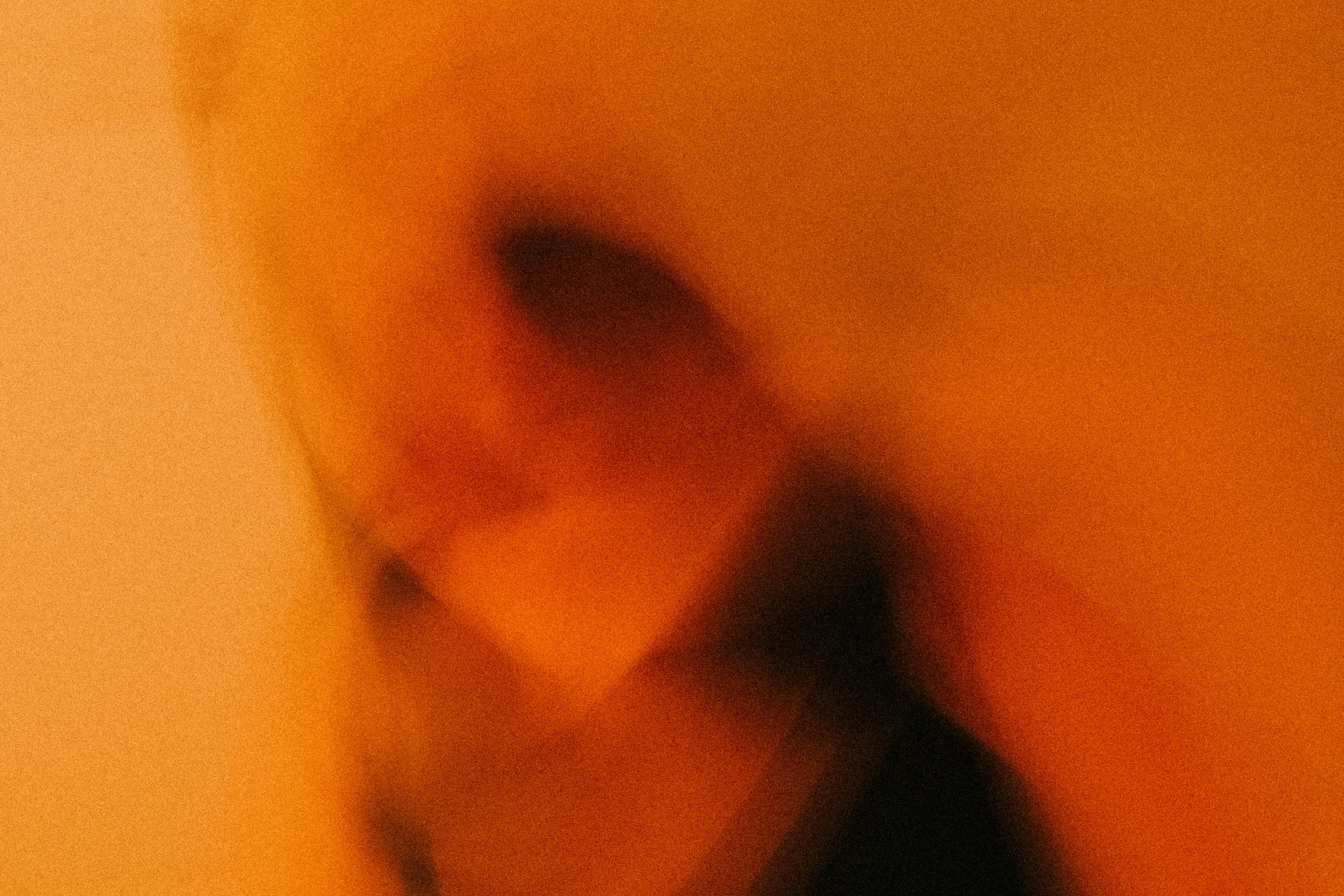
Abstract blurred portrait in warm orange tones with soft motion and grain

Intro

Softness isn't weakness—it’s a strategy. And in certain films, it’s a sonic one. These are works where sound doesn’t just accompany image—it blurs with it. Where repetition becomes rhythm, and silence carries as much emotional charge as a scream. This piece listens closely to how filmmakers are using softness, looping, and color to shape a new kind of sensory cinema—where tone outweighs dialogue, and mood becomes memory.

The visual hum


Some directors compose color like music. Think Wong Kar-wai’s crimson loops in “In the Mood for Love,” or Lynne Ramsay’s powdery palettes in “Morvern Callar.” These aren’t just stylistic flourishes—they’re emotional codes. When paired with ambient sound or repeated motifs, colors start to vibrate. They hum.


In “Uncle Boonmee,” blue shadows feel like quiet grief. In “Columbus,” beige interiors echo the isolation of slow conversation. The palette becomes psychological.


Loops and lulls


There’s power in repetition. Directors like Tsai Ming-liang return to the same shot for minutes. Music is re-used until it becomes mantra. In “Stranger Than Paradise,” Jim Jarmusch lets scenes loop on minor variations like lo-fi records skipping. These loops don’t numb—they deepen. They allow the viewer to notice the unnoticed.


The repetition softens narrative logic. It lets you drift, like you’re remembering the film as it happens.


Softness as defiance


In a genre ecosystem that rewards escalation—louder, bloodier, brighter—there’s something subversive about quiet. Soft films ask for trust. They don’t explode; they expand.


Even horror directors are embracing this. Look at films like “The Interior” or “A Ghost Story”—where fear creeps through silence, and the most terrifying thing might be a sheet slowly moving in a room.


Textures you can hear


New filmmakers are blending field recordings, whispered dialogue, and ambient fuzz into their soundtracks. It’s not just ASMR—it’s emotional resonance. Flora Lin’s short “Roomtone Diary” uses washing machines, radiator hisses, and half-heard piano to score the life of a woman never shown onscreen. It’s a movie you feel in the skin, not just the ears.


Final thoughts


To hear softly is to feel deeply. These films ask you to tune in, not zone out. They reject bombast in favor of subtlety. They speak through color, loop, and tone—and in doing so, they say more with less. The sound of soft things lingers longer than you think.

Supermoon AI

UI & Animation Designer

·


Abstract blurred portrait in warm orange tones with soft motion and grain

Intro

Softness isn't weakness—it’s a strategy. And in certain films, it’s a sonic one. These are works where sound doesn’t just accompany image—it blurs with it. Where repetition becomes rhythm, and silence carries as much emotional charge as a scream. This piece listens closely to how filmmakers are using softness, looping, and color to shape a new kind of sensory cinema—where tone outweighs dialogue, and mood becomes memory.

The visual hum


Some directors compose color like music. Think Wong Kar-wai’s crimson loops in “In the Mood for Love,” or Lynne Ramsay’s powdery palettes in “Morvern Callar.” These aren’t just stylistic flourishes—they’re emotional codes. When paired with ambient sound or repeated motifs, colors start to vibrate. They hum.


In “Uncle Boonmee,” blue shadows feel like quiet grief. In “Columbus,” beige interiors echo the isolation of slow conversation. The palette becomes psychological.


Loops and lulls


There’s power in repetition. Directors like Tsai Ming-liang return to the same shot for minutes. Music is re-used until it becomes mantra. In “Stranger Than Paradise,” Jim Jarmusch lets scenes loop on minor variations like lo-fi records skipping. These loops don’t numb—they deepen. They allow the viewer to notice the unnoticed.


The repetition softens narrative logic. It lets you drift, like you’re remembering the film as it happens.


Softness as defiance


In a genre ecosystem that rewards escalation—louder, bloodier, brighter—there’s something subversive about quiet. Soft films ask for trust. They don’t explode; they expand.


Even horror directors are embracing this. Look at films like “The Interior” or “A Ghost Story”—where fear creeps through silence, and the most terrifying thing might be a sheet slowly moving in a room.


Textures you can hear


New filmmakers are blending field recordings, whispered dialogue, and ambient fuzz into their soundtracks. It’s not just ASMR—it’s emotional resonance. Flora Lin’s short “Roomtone Diary” uses washing machines, radiator hisses, and half-heard piano to score the life of a woman never shown onscreen. It’s a movie you feel in the skin, not just the ears.


Final thoughts


To hear softly is to feel deeply. These films ask you to tune in, not zone out. They reject bombast in favor of subtlety. They speak through color, loop, and tone—and in doing so, they say more with less. The sound of soft things lingers longer than you think.

Supermoon AI

UI & Animation Designer

·


Abstract blurred portrait in warm orange tones with soft motion and grain

Intro

Softness isn't weakness—it’s a strategy. And in certain films, it’s a sonic one. These are works where sound doesn’t just accompany image—it blurs with it. Where repetition becomes rhythm, and silence carries as much emotional charge as a scream. This piece listens closely to how filmmakers are using softness, looping, and color to shape a new kind of sensory cinema—where tone outweighs dialogue, and mood becomes memory.

The visual hum


Some directors compose color like music. Think Wong Kar-wai’s crimson loops in “In the Mood for Love,” or Lynne Ramsay’s powdery palettes in “Morvern Callar.” These aren’t just stylistic flourishes—they’re emotional codes. When paired with ambient sound or repeated motifs, colors start to vibrate. They hum.


In “Uncle Boonmee,” blue shadows feel like quiet grief. In “Columbus,” beige interiors echo the isolation of slow conversation. The palette becomes psychological.


Loops and lulls


There’s power in repetition. Directors like Tsai Ming-liang return to the same shot for minutes. Music is re-used until it becomes mantra. In “Stranger Than Paradise,” Jim Jarmusch lets scenes loop on minor variations like lo-fi records skipping. These loops don’t numb—they deepen. They allow the viewer to notice the unnoticed.


The repetition softens narrative logic. It lets you drift, like you’re remembering the film as it happens.


Softness as defiance


In a genre ecosystem that rewards escalation—louder, bloodier, brighter—there’s something subversive about quiet. Soft films ask for trust. They don’t explode; they expand.


Even horror directors are embracing this. Look at films like “The Interior” or “A Ghost Story”—where fear creeps through silence, and the most terrifying thing might be a sheet slowly moving in a room.


Textures you can hear


New filmmakers are blending field recordings, whispered dialogue, and ambient fuzz into their soundtracks. It’s not just ASMR—it’s emotional resonance. Flora Lin’s short “Roomtone Diary” uses washing machines, radiator hisses, and half-heard piano to score the life of a woman never shown onscreen. It’s a movie you feel in the skin, not just the ears.


Final thoughts


To hear softly is to feel deeply. These films ask you to tune in, not zone out. They reject bombast in favor of subtlety. They speak through color, loop, and tone—and in doing so, they say more with less. The sound of soft things lingers longer than you think.